
Most scientists agree that both droughts and floods in the UK are going to get worse. The remaining scientists would agree that, at the very least, they won’t get better.
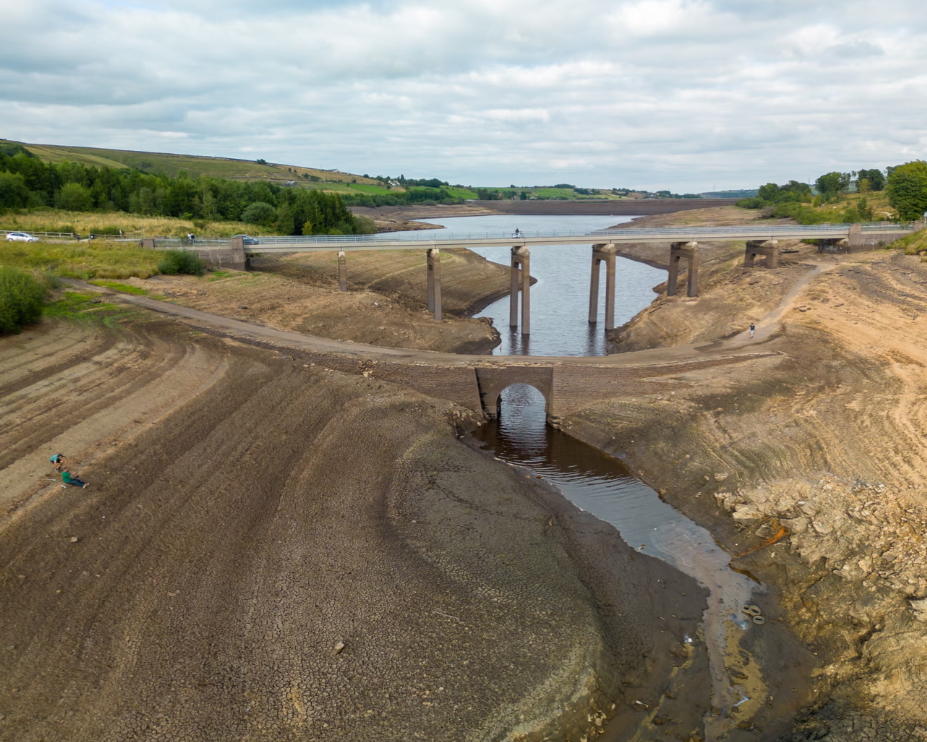
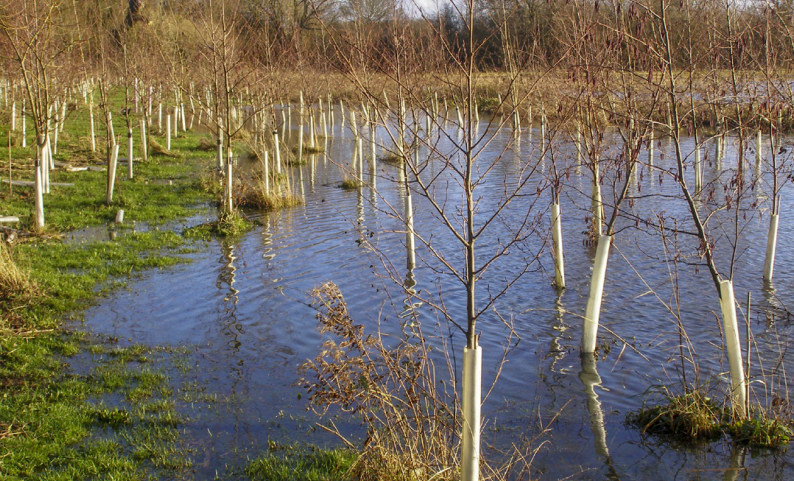
At first glance, that both flooding AND droughts are set to worsen in the UK is paradoxical. “We’re going to get drier and wetter at the same time?” some may ponder doubtfully.
Thankfully, more than a cursory bout of analysis will reveal that the co-existence of flooding and droughts are not mutually exclusive. What with there being 365 days in a year, and a fair amount of land mass to go with it, there’s plenty of opportunity for both. Thus, the UK can get drier and wetter at the same time.
Of the meteorological partnership, drought best reflects my experience of 2025 thus far. Therefore, this month’s Forests in Theory is drawing summer to an official close by focussing on drought, and its impact on UK forests, specifically.
What is drought?
Before going forward, let’s define drought.
The basic definition of meteorological drought, the kind of drought that this article focuses on, is that there is less water available in a region than usual due to prolonged periods of abnormally low precipitation.
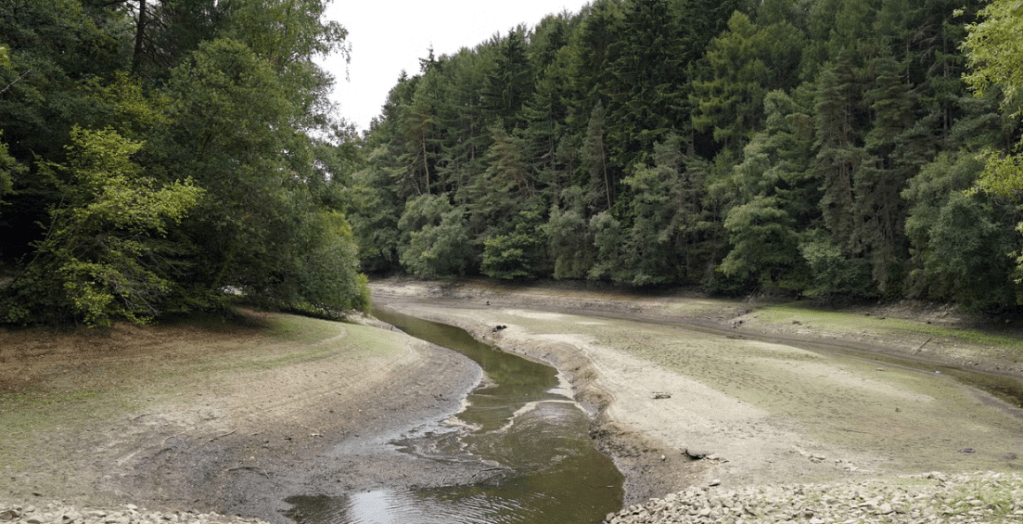
The ‘than usual‘ caveat is important. If a dry area is dry, that’s not a drought. If a wet area is dry, and stays dry for a prolonged period of time, that’s a drought. By definition, a drought has to be a deviation from a baseline normal (albeit, climate change is shifting this baseline).
Students of geography, meteorology, or international relations may then go on to explain that there are many other different kinds of drought, which each have subcategories within subcategories (Met Office, 2024).
Thankfully, as a forestry student, I have been spared from categorising the causes of drought. Instead, I am concerned with drought’s effects. So, what are the effects of drought on a forest?
The effects of drought on UK forests
Compared to other plant types, trees need a lot of water. A large organism needs a large volume of water to thrive.
Just how much water a lot actually is varies based on factors such as the tree’s age, species, size, and even population (Forest Research, n.d.). Thus, I can get away with not quantifying an actual litre amount.
Without sufficient water, a tree’s metabolic processes are severely stunted. Without water for photosynthesis, the tree cannot produce sugars for survival and growth.
Furthermore, without sufficient water, even if the tree could produce sugars, it could not transport them in solution.
A tree’s food source is intimately tied to its water. Without water, symptoms will soon become obvious. Reduced growth comes first. If the drought continues, the tree will attempt to adapt via crown dieback, resulting in ‘stags heads’ (Camarero, 2021).
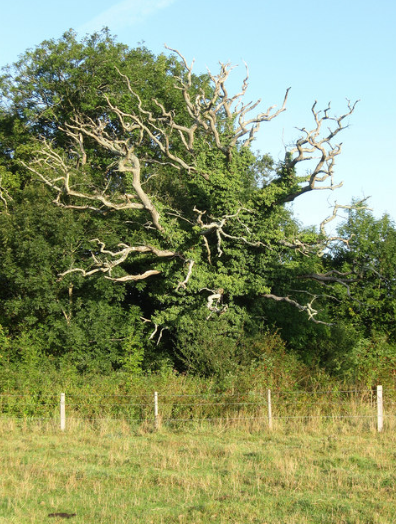
If via reduced growth and dieback the tree still cannot sufficiently reduce its demand for water, it will die. On an individual tree basis, this is not dire (unless it’s your favourite tree). In the context of a whole forest ecosystem, a bit more deadwood is beneficial.
However, unless you’re a springtail, there can be too much of a good thing. Deadwood is great, but not if it comes at the expense of every surviving veteran tree!
Warmer, drier summers are ultimately influencing the species composition and age structure of UK forests. Young and over-mature trees, especially less drought-tolerant species, are increasingly disadvantaged compared to intermediate-age drought tolerant species (Forest Research, n.d.).
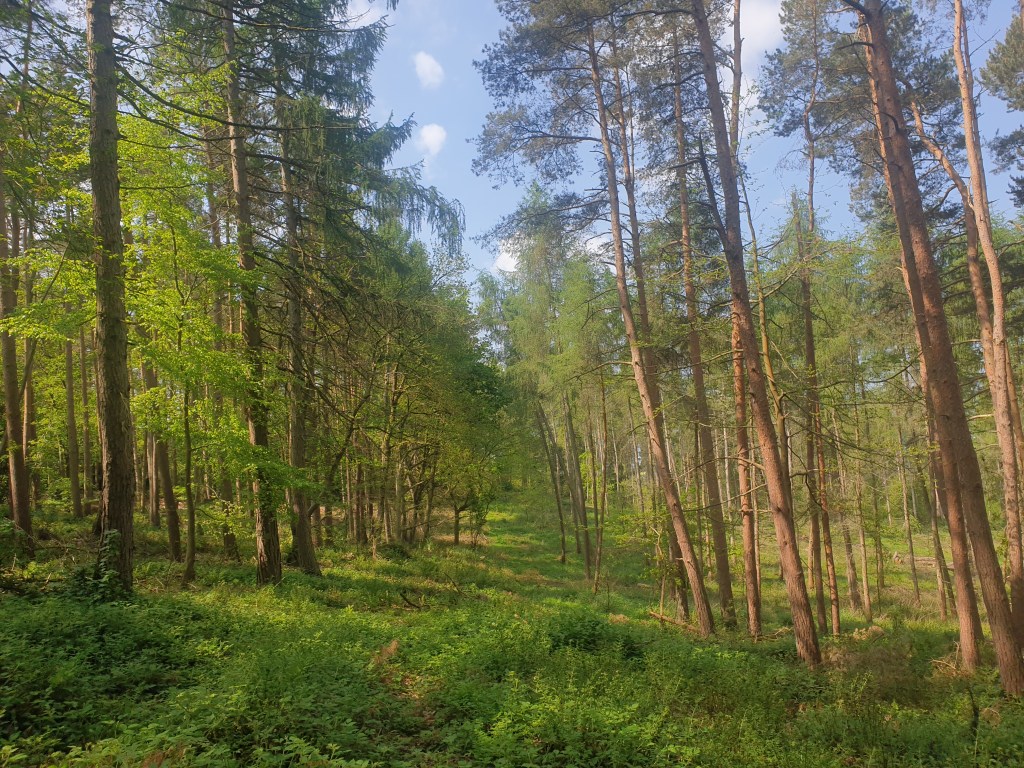
Scot’s pine (Pinus sylvestris) and larch (Larix) are both considered drought-tolerant. 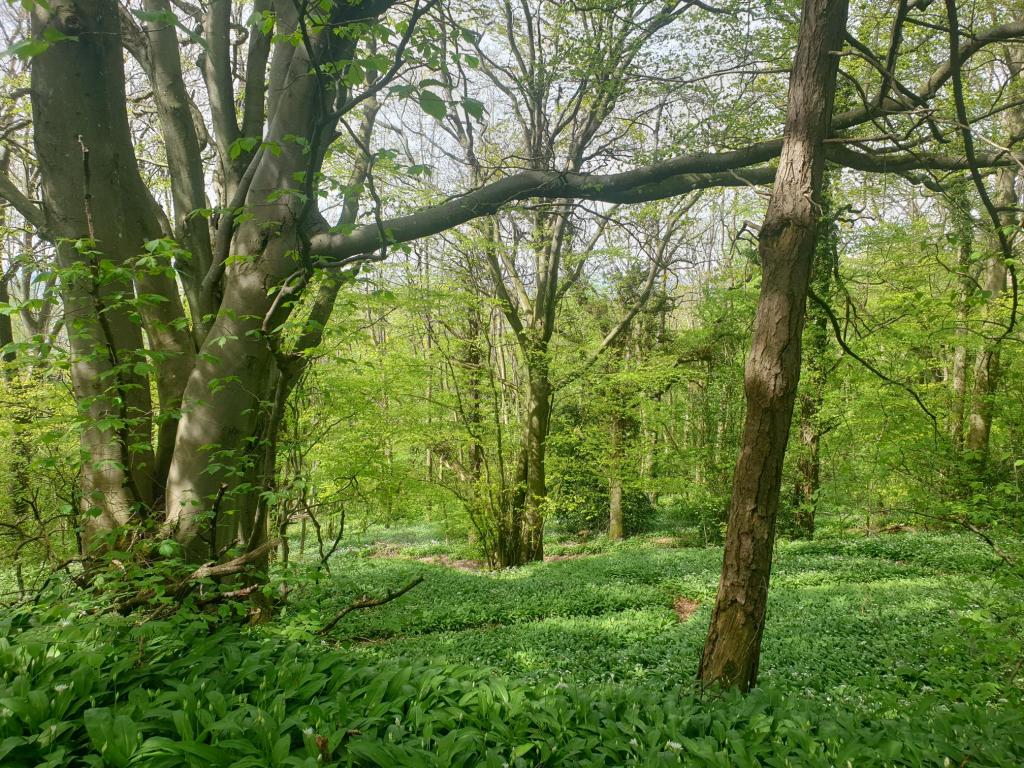
As beech (Fagus sylvatica) are shallow-rooted, they are not considered drought-tolerant. 
Alder (Alnus glutinosa) is not considered drought-tolerant (Photo Credit: The Conservation Volunteers). 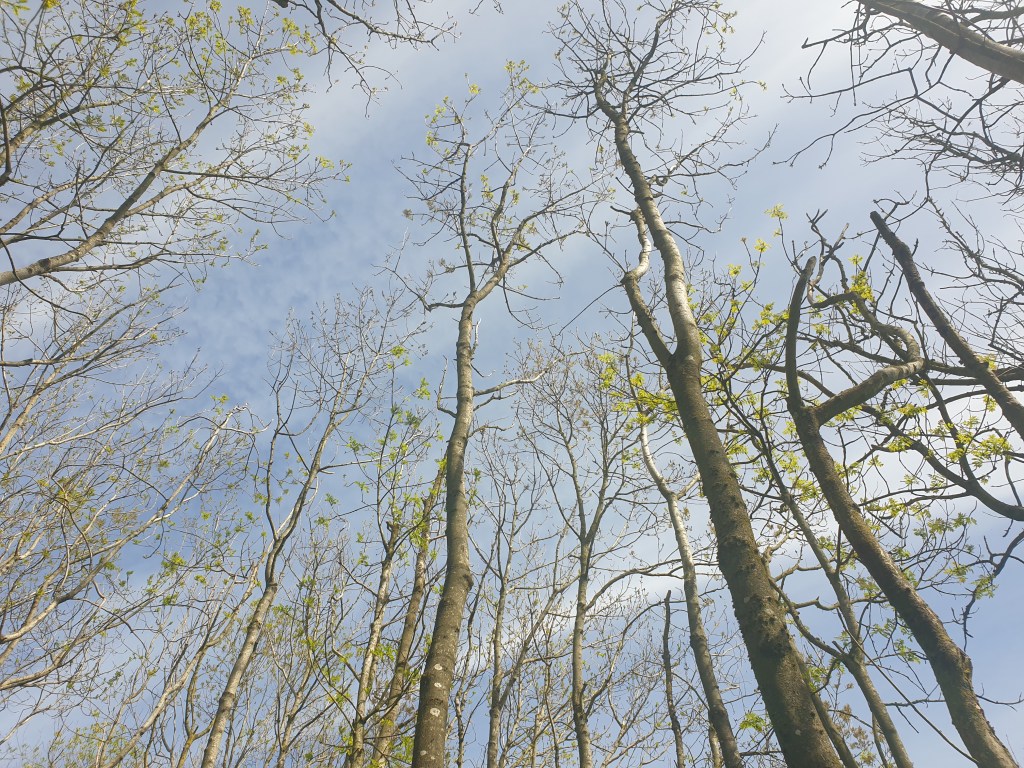
Though disadvantaged in other regards, ash (Fraxineus excelsior) is a drought-tolerant native species
Drought’s effects on forests are especially noticeable in the south of England, where severe drought is more frequent compared to the rest of the UK. However, as this series it titled Future Threats to Forests, it would be silly to claim that the rest of the UK were safe from the effects of drought.
This is because the UN estimates that, under current national commitments, average global temperature will increase 2.9°C – 3.4°C from pre-industrial temperatures by 2100 (WMO, 2025). Thus, even the Highlands are not exempt from future droughts. Remember, drought is when there’s less moisture than usual.
What’s to be done?
From an individual forester’s point of view, mitigating global climate change may be a bit of a stretch. Many would argue that they’re already doing their bit by growing trees for a living.
Furthermore, considering the existence of hosepipe bans, we probably won’t be allowed to water an entire forest’s worth of trees any time soon.
Thus, especially if you’re a commercial forester, planting drought-tolerant tree species is likely the way to go. Refer to the slideshow earlier in the article if you’re interested in examples of drought-tolerant species.
If you insist on planting and growing less drought-tolerant species (e.g. for conservation or specialist timber purposes) make sure to thin stands, and plant on the ‘right’ soil. In terms of drought, this soil type would be deep, heavy, and have high in soil organic matter.
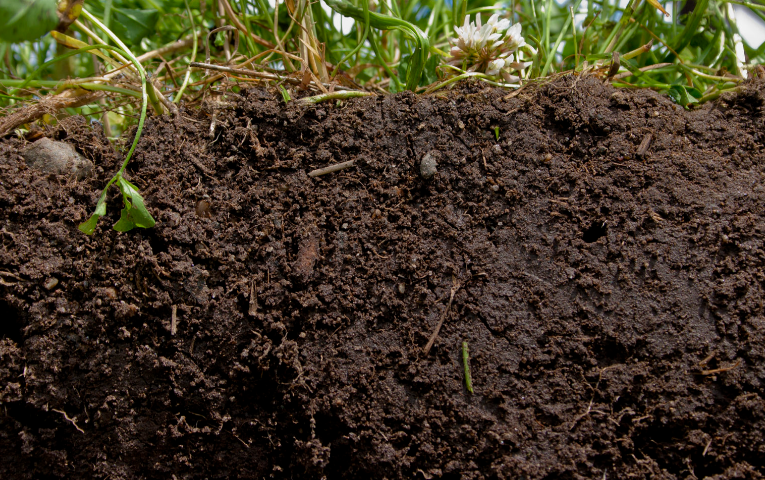
Unfortunately, as the frequency of flooding is also set to increase, what the ‘right’ soil type to grow trees on varies throughout the year. Thus, a forest manager with limited land options will unfortunately have to weigh up which threat they deem worse.
The above measures are what I know of, but if you have any more suggestions, then leave them in the comments.
In conclusion…
Unlike with forest pests, drought is not a threat that can be trapped, sterilised, relocated, or shot. On a mass sale, humans can cause drought, but no individual forest manager can ‘fix’ drought.
Further complicating the matter, is that in adapting a forest to drought, the forest may become more vulnerable to its sister threat, flooding.
Thus, this article’s conclusion may feel unsatisfactory to many readers. No matter the way forward, certain ‘weaknesses’ in Britain’s forests will persist. Then again, I did call this series Future Threats to Forests, not Current Solutions.
Thanks for reading,
Bethany Breward, 01/09/2025
References
Camarero, J.J. 2021. The drought‒dieback‒death conundrum in trees and forests. Plant Ecology & Diversity. [E-journal]. 14(1-2), pp.1–12. Available at: https://doi.org/10.1080/17550874.2021.1961172. Accessed 30th August 2025.
Carey, S. 2009. Stag Head Oak. [Photograph]. Available at: https://www.geograph.org.uk/photo/1486935.
Forest Research. n.d. Drought. [Online] Available at: https://www.forestresearch.gov.uk/climate-change/risks/drought/. Accessed 30th August 2025.
Matthews, A. 2022. A view of Ardingly reservoir in West Sussex, owned and managed by South East Water, the water supplier for Kent and Sussex which will restrict the use of hosepipes and sprinklers within Kent and Sussex from Friday August 12 until further notice. [Photograph]. Available at: https://www.independent.co.uk/news/uk/england-southern-water-met-office-hampshire-sussex-b2143717.html.
Met Office. 2024. UK and Global Extreme Events – Drought. [online] Met Office. Available at: https://www.metoffice.gov.uk/research/climate/understanding-climate/uk-and-global-extreme-events-drought. Accessed 30th August 2025.
Nisbet, T. 2021. Tree planting on the floodplain can help to slow flood flows and increase flood storage. [Photograph]. Available at: https://www.forestresearch.gov.uk/publications/factsheet-climate-change-flooding-and-forests/
The Conservation Volunteers. 2025. Common Alder (Alnus glutinosa). [Photograph]. Available at: https://www.tcv.org.uk/i-dig-trees-tree-library/common-alder/.
World Meteorological Office. 2025. State of the Global Climate 2024. Geneva, WMO. (WMO-No. 1368).
Urban, J. 2014. Soil organic matter. [Photograph]. Available at: https://www.deeproot.com/blog/blog-entries/what-is-soil-organic-matter-3/.
 Forests in Theory
Leave a comment