
Cities and large towns, especially in the UK, often appear a particularly miserable shade of grey to many nature-enthusiasts.

Thankfully, this post will provide 5 practical tips for how to stay connected with nature when living in an urban environment.
Importantly, none of these tips require your owning a car. Besides tip 3, they’re all FREE!
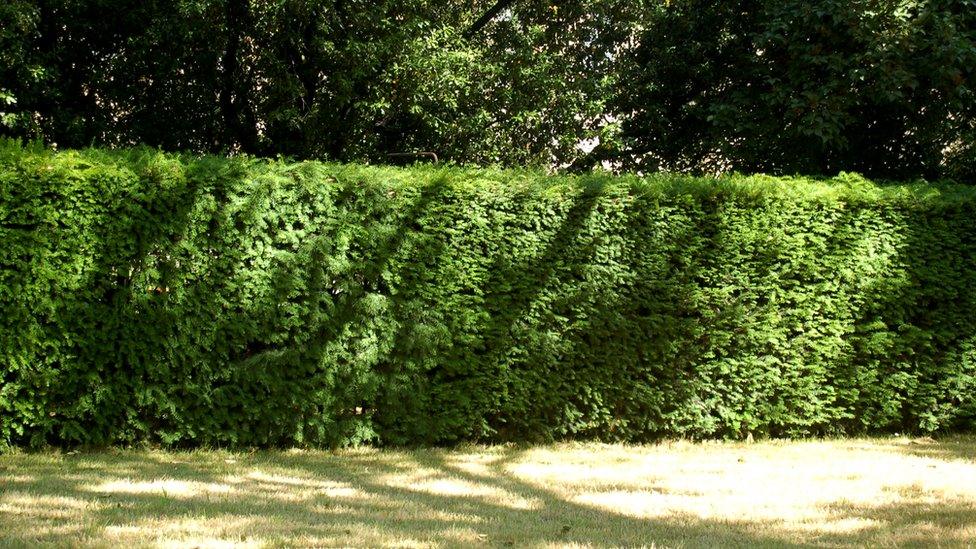
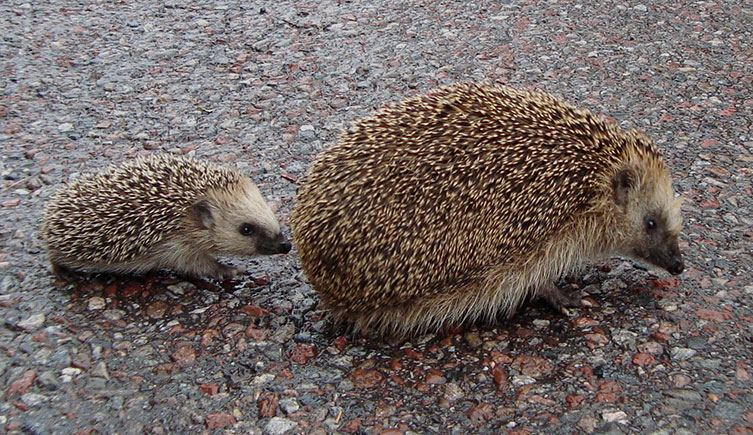
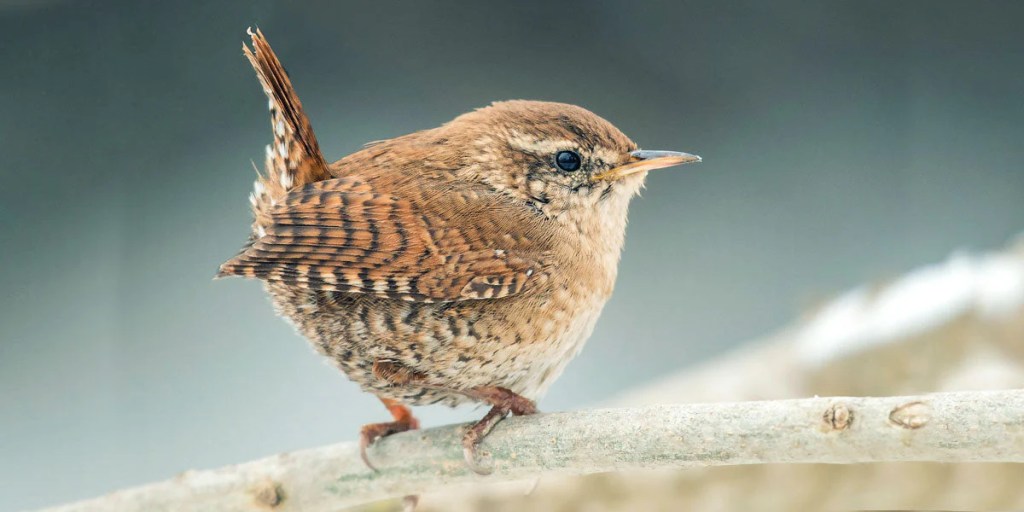
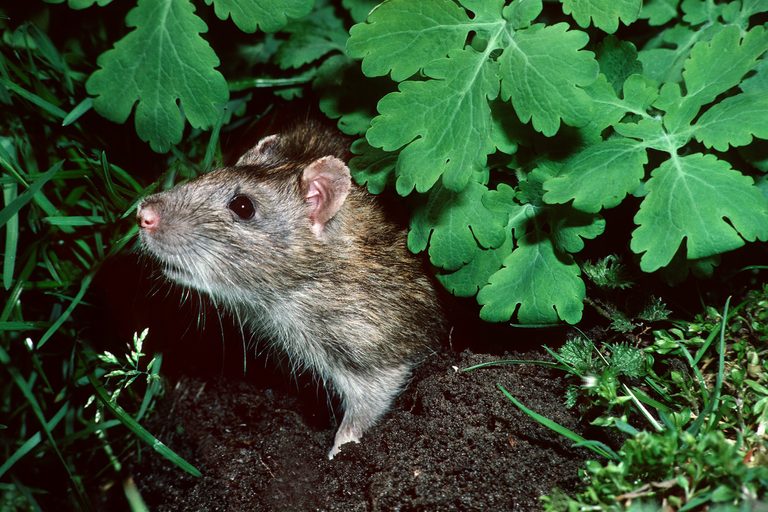
Tip 1: discover the wildlife hidden in hedges
Hedgerows by their nature appear artificial. They’re typically planted in long-straight lines, formed of non-natives species (such as Leyland cypress), and in cities, may be designed with the intention to block views.
Although they hinder your ability to spy on your neighbours, hedges play a vital role in urban ecology, being literal rows of trees in otherwise unwooded environments.
Extortionate city rents are not to be found in hedgerows, and thus they often provide a sheltered refuge for urban animals.
With practice, hedgerow enthusiasts will be able to ID which animal species is rustling within from sound alone!
Tip 2: just because it’s non-native, doesn’t mean it’s not “nature”
We can’t afford to be too fussy about what we consider “nature”, especially when we live in a British city!
In regards to non-native plants, most ornamental species in urban parks, flower pots, and garden displays will likely not have originated from the UK.
Nonetheless, keep your eye out for your city’s pollinators around exotic species in the spring and summer months.
More controversially, feel free to appreciate the local grey squirrels (Sciurus carolinensis).
Grey squirrels are non-native invasives in the UK, having been introduced by wealthy and eccentric Victorians in 1876.
Whilst their introduction was no fault of their own, they cause damage to our unadapted trees via bark stripping and girdling. Additionally, they regularly out-compete Britain’s native red squirrel species (Sciurus vulgaris), leading to their vastly reduced population and dispersal.
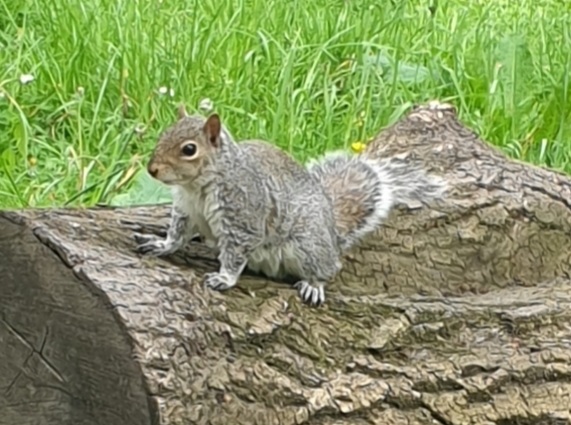
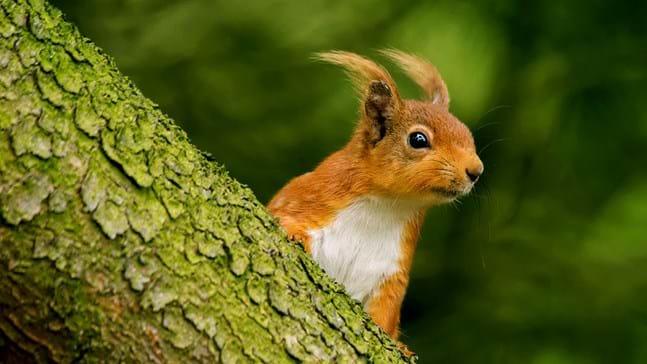
Unfortunately, if you live in a British city, the chances of you seeing a red squirrel outside of a zoo are incredibly low.
Instead, if you want to observe squirrel behaviour in a city, grey squirrels are far easier to come across.
JUST DON’T FEED THEM.
Tip 3: get houseplants AND look after them
It was bound to come up at some point.
Succulents are popular in the beginner houseplant world due to their novelty and high sturdiness in the face of neglect-induced desert conditions.
However, to attract pollinators, planting native or naturalised flowering species are ideal (see slideshow below for examples).
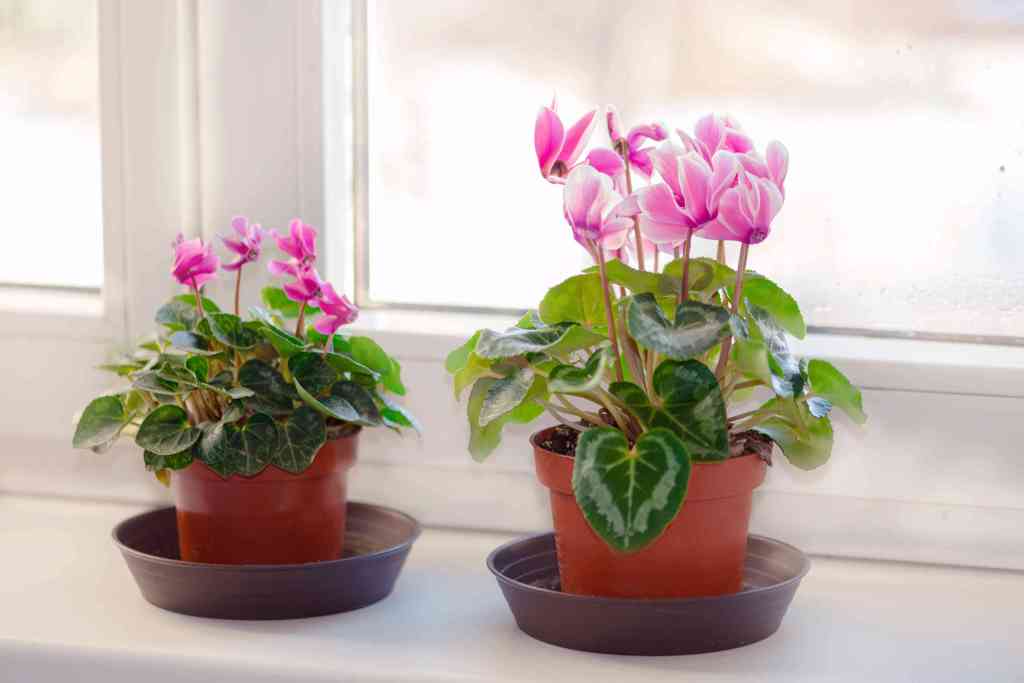


Make sure you place the plants:
a) Somewhere you will remember that the plant exists.
b) On a windowsill or balcony. Pollinators don’t tend to pass through closed windows.
Tip 4: explore abandoned parts of the city
When done with caution (and without trespassing), exploring abandoned parts of the city can be a good way to see nature in its “wilder” form.
Successional processes means that abandoned industrial or residential land will first be colonised by grasses and other ground layer species, rather than trees.
After a while, however, small pockets of woodland may form if there is a nearby seed source (or a cheeky bit of guerilla planting to quicken the pace).
Tip 5: don’t idealise the countryside too much
It’s important to remember that many “natural” countryside scenes are just as artificial as Trafalgar Square!

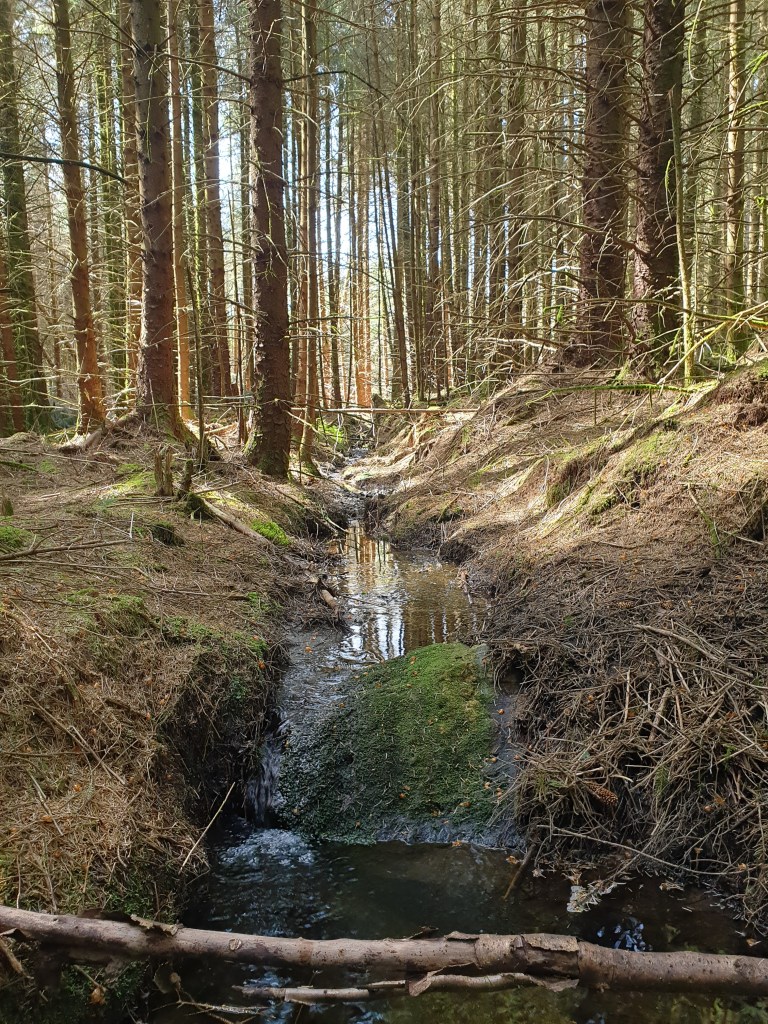
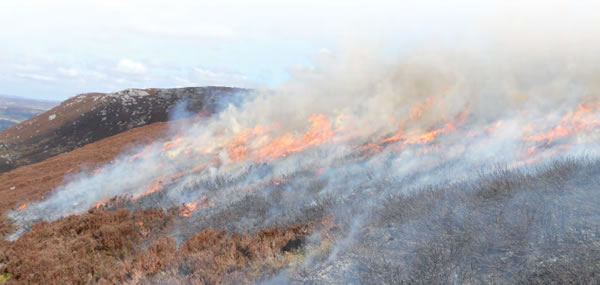
Thus, if you can connect with the wildlife of a wheat field, spruce plantation, or burnt moorland, then the hand of man’s influence can clearly be looked past by the keen-eyed naturalist!
Secret sixth tip: subscribe to Forests in Theory!
Thanks for reading,
– Bethany Breward
22/05/2025
 Forests in Theory
Leave a reply to 11-16: The Lost Years of Forestry – Forests in Theory Cancel reply